



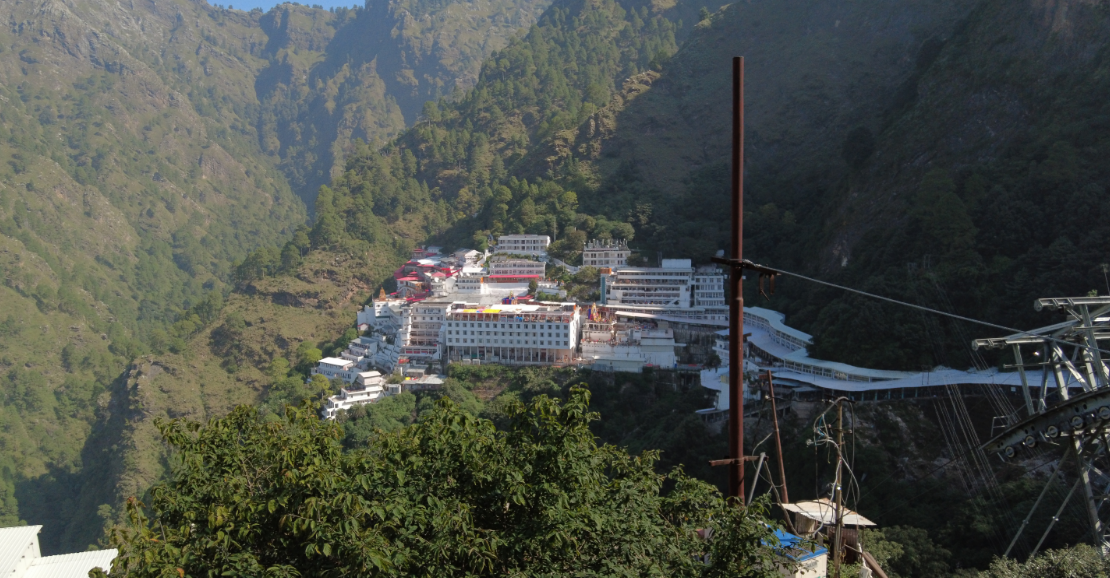
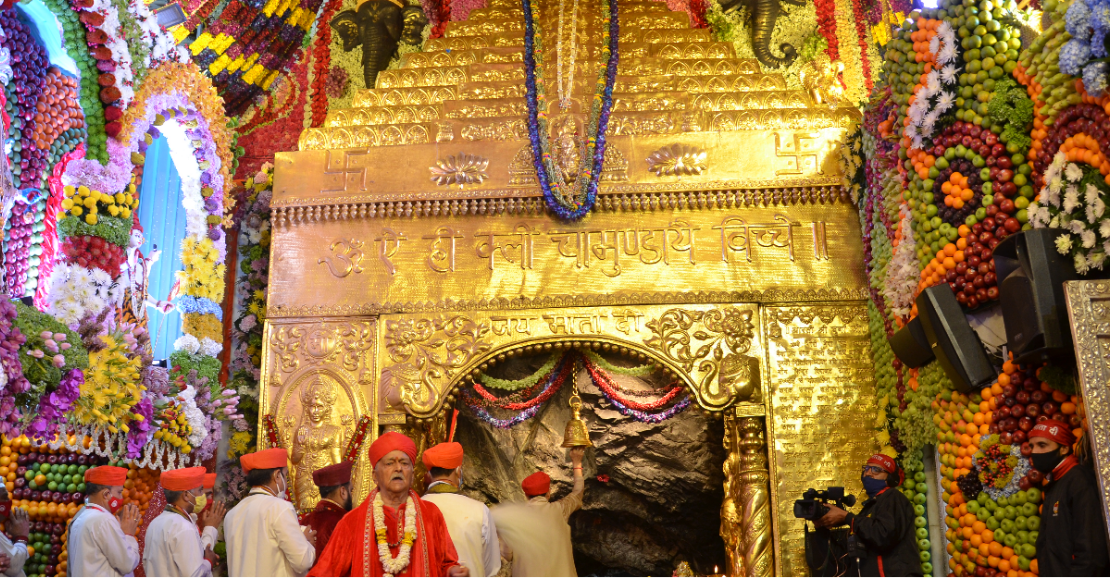
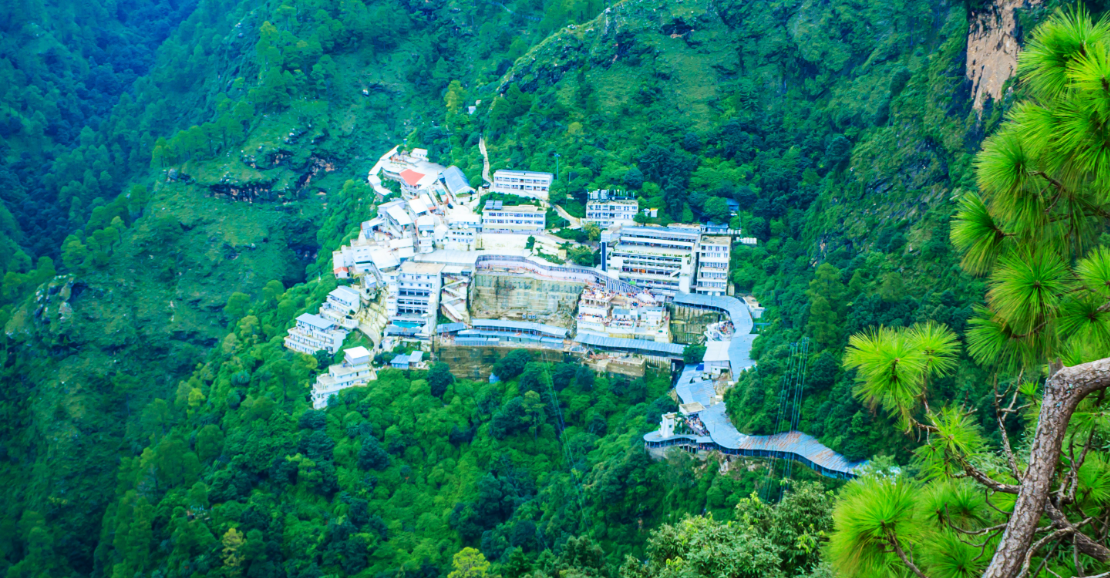
The Vaishno Devi yatra stands as one of India's most renowned and spiritually uplifting pilgrimages, attracting over 8 million devotees annually to the sacred cave shrine nestled in the Trikuta Mountains. While this 13.5-kilometer trek from Katra to the holy Bhawan is infused with divine tranquility and spiritual energy, it is equally essential to prioritize safety throughout your sacred journey. Adhering to comprehensive Vaishno Devi yatra safety tips ensures not only a secure pilgrimage but also enhances your spiritual experience at this most revered Shakti Peetha.
Essential Safety Principles for All Seasons
The primary safety rules in Vaishno Devi are designed to protect pilgrims throughout the year and become even more crucial during challenging weather conditions such as monsoons and winters. These fundamental guidelines, established by the Shri Mata Vaishno Devi Shrine Board, emphasize the importance of proper preparation, appropriate gear, medical awareness, and adherence to official protocols to ensure a safe and fulfilling spiritual journey.
Monsoon Travel Safety Guidelines (July - September)
The monsoon season transforms the Trikuta Mountains into a landscape of ethereal beauty with cascading waterfalls and lush green surroundings, but it also presents significant challenges due to slippery paths, reduced visibility, and increased landslide risks[61][62]. While the Shrine Board keeps the yatra operational during monsoons with enhanced safety measures, pilgrims must exercise extra caution and follow specific precautions.
Essential Monsoon Preparations
- Weather-Resistant Gear: Carry high-quality umbrellas, waterproof raincoats, and completely waterproof covers for electronic devices and important documents
- Specialized Footwear: Invest in slip-resistant trekking shoes with deep treads and ankle support to navigate rain-slicked pathways safely
- Emergency Supplies: Pack extra dry clothes, towels, and plastic storage bags to keep essentials moisture-free
- Route Awareness: Stay updated on official weather advisories and potential route closures due to landslide risks[61]
- Timing Strategy: Begin your trek during daylight hours and avoid evening or night travel when visibility is severely compromised
Winter Travel Safety Guidelines (December - February)
The winter season brings a mystical, snow-covered charm to the sacred mountains, creating a truly enchanting pilgrimage experience. However, dropping temperatures that can plummet to -5°C at higher elevations, occasional snowfall, and bone-chilling winds make this period particularly challenging[76][78]. The winter travel safety tips become paramount for ensuring both comfort and security during this season.
Comprehensive Winter Preparation
- Layered Clothing System: Implement a three-layer approach - moisture-wicking base layer, insulating middle layer, and waterproof outer shell
- Essential Winter Gear: Pack high-grade weather-resistant jackets, thermal undergarments, woolen caps, insulated gloves, and warm socks[71]
- Nutrition & Hydration: Carry energy-dense dry foods, nuts, chocolate bars, and thermos flasks with hot beverages to prevent hypothermia
- Emergency Warmth: Consider portable hand warmers and emergency blankets for extreme cold conditions
- Footwear Selection: Choose insulated, waterproof boots with excellent traction for snow and ice navigation
Comprehensive Trek Safety Guidelines
The challenging 13.5-kilometer uphill trek from Katra to the sacred Bhawan requires proper preparation, physical conditioning, and adherence to established safety protocols[35][56]. The Vaishno Devi trek safety guidelines encompass everything from equipment selection to emergency procedures, ensuring pilgrims can complete their spiritual journey safely regardless of their physical condition or experience level.
Critical Trekking Equipment & Preparation
Professional Footwear Selection
Choose high-quality, water-resistant, and sturdy trekking shoes with excellent ankle support and deep-tread soles. Avoid new shoes that haven't been properly broken in to prevent blisters and discomfort[56][71].
Proper Pacing & Rest Strategy
Take regular breaks every 2-3 kilometers, maintain steady hydration, and never push beyond your physical comfort level. The trek involves significant elevation gain that can affect even experienced hikers[56][65].
Group Travel Benefits
Travel in groups whenever possible, especially during early morning or evening hours when visibility decreases. Group travel provides mutual support and enhanced safety during emergencies[56].
Route Adherence
Strictly follow marked trail signage and avoid shortcuts or unauthorized paths. Stay within designated trekking areas to prevent getting lost and avoid dangerous terrain[67][30].
Alternative Transportation Options
For pilgrims who find the trek too strenuous, several safer alternatives are available through official channels: pony rides (₹1,770 one way), palanquin services (₹4,500-6,500), battery-operated vehicles (₹330 one way to Adhkuwari), and helicopter services from Katra to Sanjichhat (₹2,100 one way, ₹4,200 round trip)[35][26].
Comprehensive Medical Facilities & Healthcare Support
Understanding the extensive medical infrastructure available throughout the pilgrimage route is crucial for ensuring safe travel, especially for senior citizens, children, and pilgrims with pre-existing health conditions. The Shrine Board has established a comprehensive healthcare network to address both routine and emergency medical needs[60][57].
Medical Facilities Along the Route
Katra Medical Infrastructure
- Block Hospital Katra: Primary government medical facility with 24-hour emergency services
- Shrine Board Charitable Dispensary: Round-the-clock medical assistance operated by SMVDSB[60]
- Shri Mata Vaishno Devi Narayana Superspeciality Hospital: Advanced medical care with 242 beds, 59 ICU beds, and 15 specialties including cardiology, orthopedics, and emergency medicine[63]
Route Medical Stations
- Banganga Medical Post: Basic medical facilities and emergency first aid
- Adhkuwari Medical Center: Intermediate medical support with oxygen cylinders and emergency drugs
- Sanjichhat Medical Station: Advanced medical aid center for high-altitude-related issues
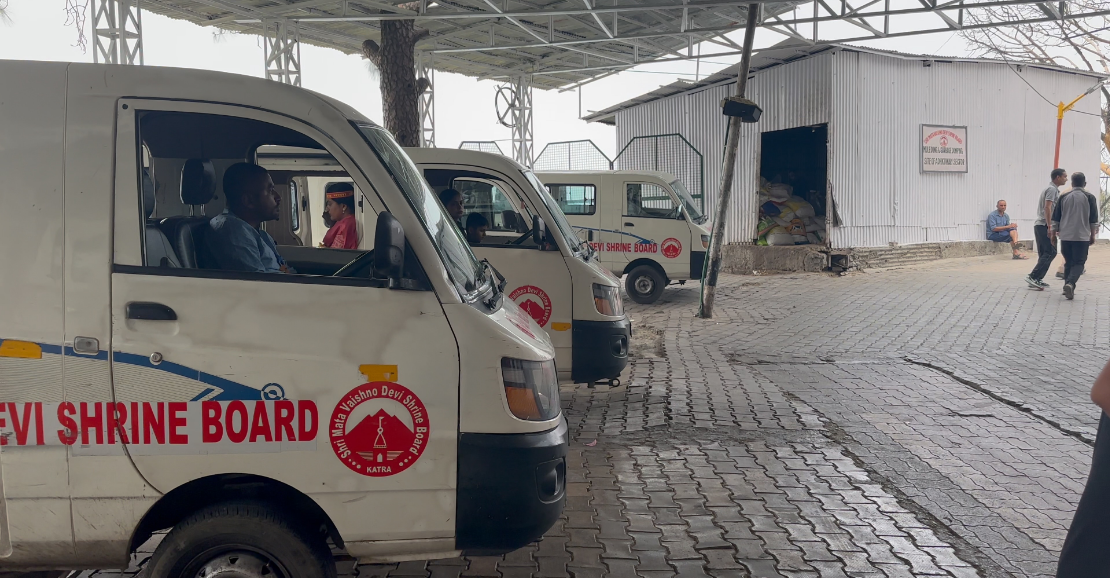
- Bhawan Medical Complex: Full dispensary with 24-hour ICU facilities and specialized equipment[60]
Emergency Medical Contact Numbers
Special Guidelines for Senior Citizens
Senior citizens undertaking the Vaishno Devi pilgrimage require specialized preparation and additional safety measures due to the physical demands of high-altitude trekking. The Shrine Board provides comprehensive support systems specifically designed for elderly pilgrims to ensure their spiritual journey remains both safe and fulfilling[69][72].
Pre-Pilgrimage Medical Requirements
- Mandatory Medical Clearance: Comprehensive health assessment focusing on cardiovascular, respiratory, and mobility evaluation[69]
- Specialized Health Screening: Blood pressure monitoring, cardiac evaluation, and oxygen saturation testing
- Medication Management: Carry adequate supplies of prescribed medications plus emergency medicines[30]
- Doctor Consultation: Pre-trek medical consultation available at Katra base camp medical facilities
Enhanced Support Services for Seniors
- Priority Services: Special queuing systems and expedited darshan arrangements
- Accessibility Options: Wheelchair assistance, battery cars, and priority palanquin services[72][79]
- Medical Monitoring: 24/7 medical support with specialized senior citizen care protocols
- Oxygen Support: Portable oxygen cylinders available at all major checkpoints[60]
Complete Katra Yatra Safety Protocol
The Katra yatra safety guide encompasses comprehensive preparation strategies, from pre-arrival planning to post-darshan procedures. Understanding these protocols helps ensure a smooth, secure, and spiritually fulfilling pilgrimage experience while minimizing potential risks and complications.
Pre-Arrival Safety Preparations
- Advanced Booking Strategy: Reserve accommodation well in advance due to high pilgrim influx, especially during festivals and peak seasons[35]
- Registration Requirements: Complete mandatory online yatra registration and obtain RFID-based Yatra Access Card[35]
- Documentation Checklist: Valid government-issued photo ID, yatra slip, accommodation confirmation, and medical certificates if required
- Emergency Contacts: Save essential helpline numbers and inform family members about travel itinerary
Security & Safety Protocols
- Enhanced Security Measures: Comprehensive CCTV surveillance, CRPF deployment, and integrated command centers ensure pilgrim safety[58]
- Prohibited Items: Avoid carrying leather items, non-vegetarian food, alcohol, intoxicants, and large amounts of cash or jewelry[30][67]
- Emergency Reporting: Report suspicious activities, unclaimed articles, or safety concerns to security personnel immediately[30]
- Personal Security: Utilize official cloak room facilities, avoid trusting strangers with belongings, and beware of pickpockets

Write your comment
Cancel Reply