


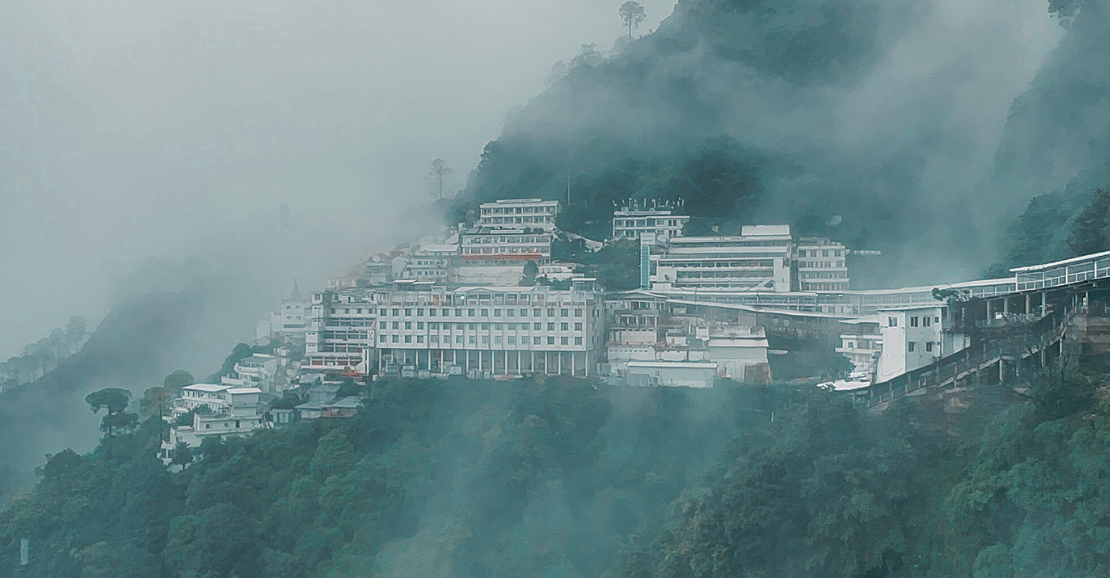
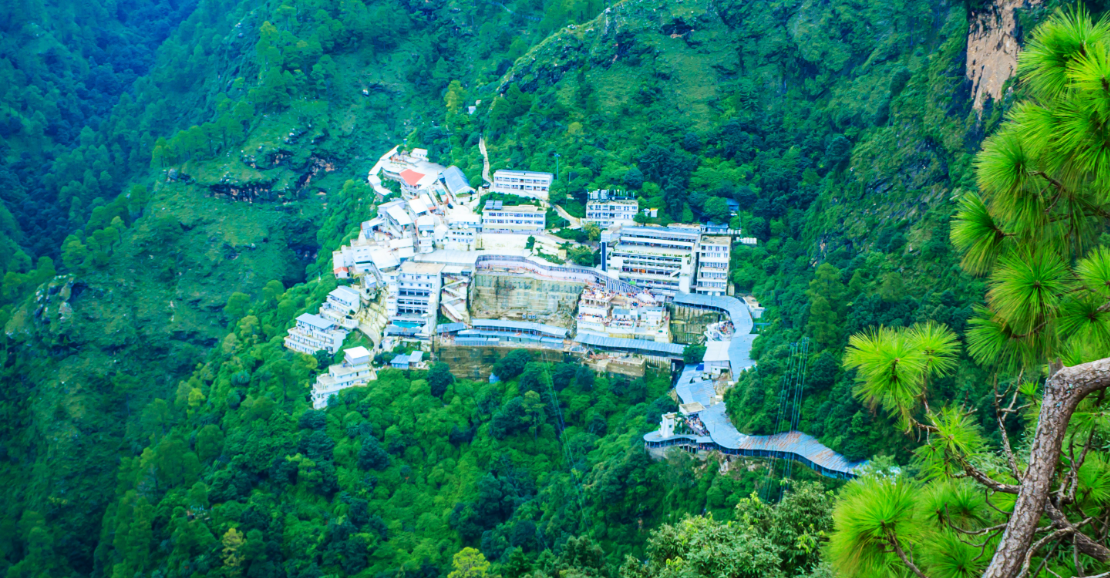
Jai Mata Di! Among the holiest times of the year, Navratri transforms the sacred mountain of Trikuta into a vibrant beacon of devotion. At Maa Vaishno Devi’s abode, this nine-night festival of the Divine Mother is celebrated with unparalleled zeal, where the holy cave resonates with the chants of devotees, the pathways glow with sacred lamps, and millions gather to bow before the Three Pindis — manifestations of Maha Kali, Maha Lakshmi, and Maha Saraswati. This comprehensive guide of over 8000 words will take you through the significance of Navratri at Vaishno Devi, the legends of the Goddess, detailed rituals and aarti timings, and practical tips for a safe and spiritually fulfilling pilgrimage.
1. The Spiritual Significance of Navratri at Vaishno Devi
Navratri, meaning "Nine Nights," is one of the most auspicious festivals in Hindu tradition. It honors the nine forms of Goddess Durga, who represents cosmic energy and divine feminine power. At Vaishno Devi, Navratri holds special prominence as the holy cave shrine itself embodies the union of the three supreme powers: Maha Kali (strength), Maha Lakshmi (prosperity), and Maha Saraswati (wisdom). Devotees believe that undertaking the yatra during Navratri amplifies blessings manifold, as the Goddess is most active in answering the prayers of her children during this time.
Throughout these nine days, the sacred atmosphere is electrifying. Devotees fast, sing bhajans, and ascend the 13-km trek from Katra to Bhawan with hearts full of devotion. The spiritual vibration of chanting "Jai Mata Di" synchronizes with the rhythm of footsteps, transforming the entire mountain into a living temple.
The Nine Forms of Maa Worshipped Each Day
Each day of Navratri is dedicated to a different manifestation of the Goddess:
- Day 1 — Shailputri: The daughter of the mountains, symbolizing purity and strength.
- Day 2 — Brahmacharini: The form of penance and devotion.
- Day 3 — Chandraghanta: The warrior Goddess who destroys evil.
- Day 4 — Kushmanda: The creator of the universe with her divine smile.
- Day 5 — Skandamata: The nurturing mother of Lord Kartikeya.
- Day 6 — Katyayani: Born to sage Katyayan, representing courage and righteousness.
- Day 7 — Kalaratri: Fierce destroyer of ignorance and fear.
- Day 8 — Mahagauri: Symbol of purity, serenity, and blessings.
- Day 9 — Siddhidatri: Granter of siddhis (spiritual powers) and fulfillment of wishes.
During Navratri at Vaishno Devi, priests at the Bhawan conduct rituals and aartis that align with each day’s deity, allowing devotees to directly connect with that particular form of the Divine Mother.
2. Legends of Maa Vaishno Devi and Navratri
Legends of Maa Vaishno Devi are deeply tied to the concept of Navratri. One story narrates that during her earthly incarnation, Maa Vaishno Devi performed intense penance for nine days to seek Lord Rama’s blessings. This nine-day tapasya became the symbolic foundation of Navratri.
Another legend connects the Goddess’s battle with Bhairon Nath, where she took the form of Maha Kali on the final day (Navami) to vanquish him. Even in victory, she blessed Bhairon Nath with liberation, demonstrating her compassion. Today, the pilgrimage is considered complete only after visiting Bhairav Nath’s temple near the Bhawan.
3. Daily Rituals and Aarti Timings During Navratri
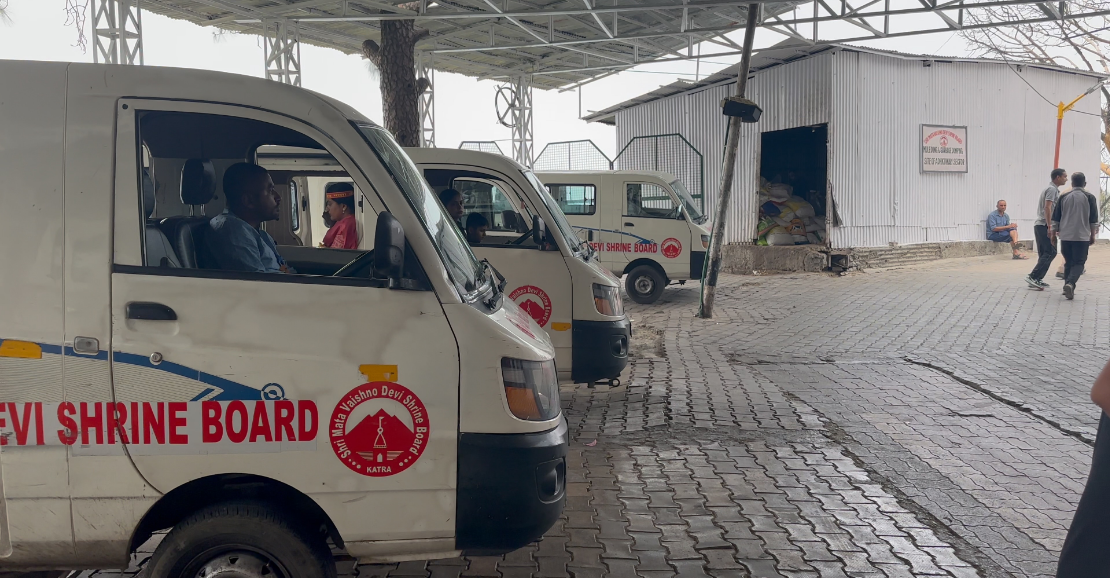
The Shri Mata Vaishno Devi Shrine Board ensures that special rituals are conducted throughout Navratri. The two main aartis — morning and evening — are performed with elaborate Vedic chants, devotional bhajans, and offerings of flowers, incense, and lamps. Devotees consider attending these aartis as the highest blessing.
Mangala Aarti (Pre-dawn)
The day begins with Mangala Aarti, performed just before sunrise. Priests bathe the sacred pindis with milk, honey, ghee, and water, followed by dressing them in new robes and ornaments. Devotees lucky enough to attend feel immense peace and divine energy.
Sandhya Aarti (Evening)
As the sun sets, the Bhawan glows with thousands of diyas (lamps). The Sandhya Aarti includes recitation of the Durga Saptashati, ringing of temple bells, and offerings of sacred food. The entire mountain resonates with chants of "Jai Mata Di."
Devotees can book special passes for Atka Aarti through the official Shrine Board portal.
4. Planning Your Navratri Yatra
With massive crowds during Navratri, careful planning is essential. Below are detailed steps to ensure a smooth pilgrimage:
Registration and Yatra Slip
Registration is mandatory. Pilgrims must obtain a yatra slip or RFID card either at Katra or via online registration at Shrine Board website. The slip is valid only for a specific time frame, and you must cross the Banganga checkpoint within six hours of issue.
Best Time to Begin the Trek
During Navratri, crowds peak in the daytime. The ideal times to begin are either early morning (3–5 AM) or late at night (after 9 PM). The path is well-lit and safe at all hours.
Routes to Bhawan
Two main routes lead to Bhawan:
- Main Banganga Route: Traditional path passing Charan Paduka and Adhkuwari.
- Tarakote Marg: Scenic, wider, and less crowded; joins near Adhkuwari.
Helicopter and Ropeway Services
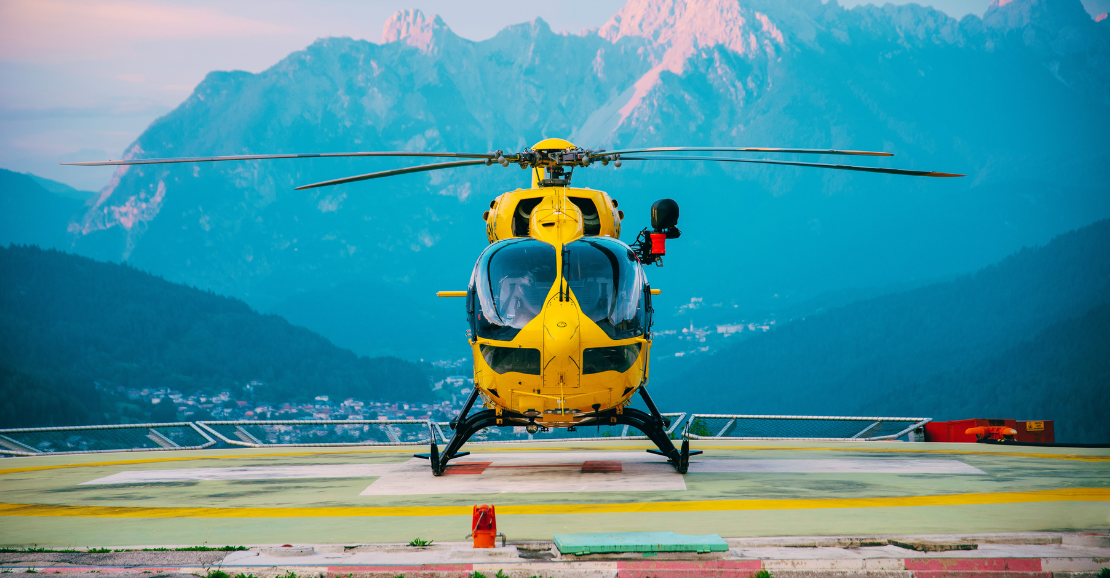
Helicopter rides from Katra to Sanjichhat can be booked online through the Shrine Board. From Sanjichhat, Bhawan is a 2.5 km trek. The Bhairav Ropeway makes the final climb to Bhairav Nath Temple easier.
Accommodation
The Shrine Board provides clean accommodations at Katra, Adhkuwari, Sanjichhat, and Bhawan. Book well in advance for Navratri, as rooms fill up quickly. Private hotels in Katra also provide options ranging from budget to deluxe.
What to Carry
Pilgrims are advised to carry light backpacks with essentials: a water bottle, shawl, snacks, personal medicines, flashlight, and comfortable footwear. Alcohol, tobacco, and non-vegetarian items are strictly prohibited.
5. Devotional Practices During Navratri Yatra
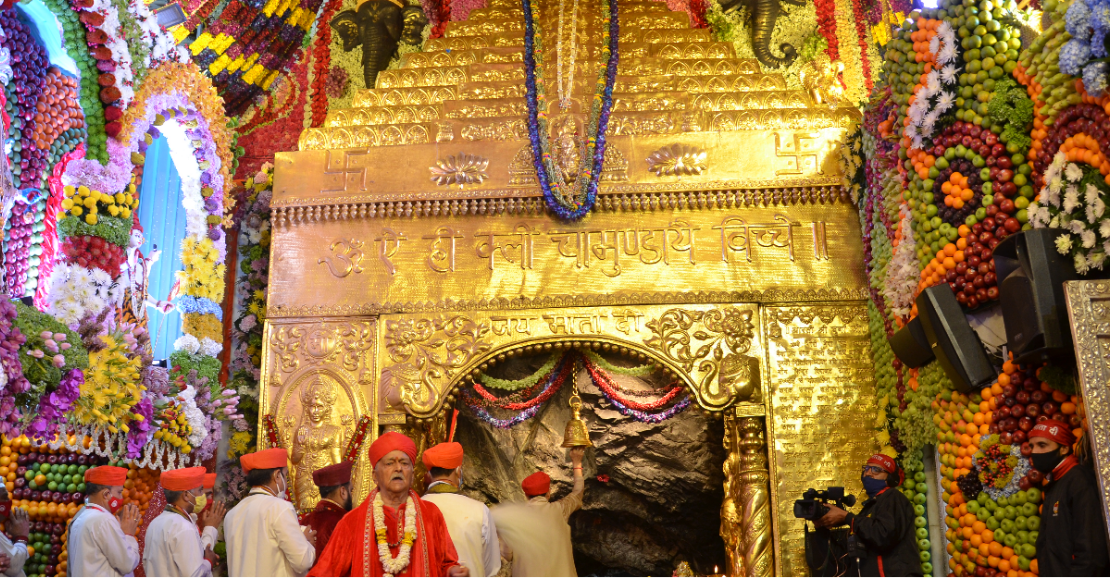
Many devotees keep fasts during the nine days, consuming only fruits, milk, or satvik food. Pilgrims also recite the Durga Saptashati, chant "Om Aim Hreem Kleem Chamundayai Viche," or sing bhajans along the trek. Acts of seva, such as offering water to fellow devotees, are encouraged as true service to Maa.
6. Managing Crowds During Navratri
On Ashtami and Navami, footfall peaks, with lakhs of pilgrims arriving daily. To manage the rush:
- Follow queue instructions strictly.
- Deposit belongings at cloakrooms before entering Bhawan.
- Use waiting halls where tokens are issued for darshan.
- Stay patient and use the waiting time for chanting or silent meditation.
7. Completing the Yatra at Bhairav Nath Temple
Darshan at Bhawan is considered incomplete without visiting Bhairav Nath Temple, located 1.5 km uphill. Pilgrims can trek, hire ponies, or use the ropeway. The temple marks the spot where Bhairon Nath’s head fell after being slain by the Goddess. Pilgrims believe this final darshan grants liberation and completes the journey.
8. Food, Langars, and Cleanliness Initiatives
The Shrine Board maintains Bhojanalayas (pure vegetarian canteens) along the route, serving affordable and hygienic meals. Free community langars operate at Tarakote, Adhkuwari, and Sanjichhat. Water stations are available every few hundred meters. Cleanliness is given top priority; the entire trek is regularly swept and waste disposed of responsibly. Devotees are urged to use dustbins and avoid plastic use.
9. Travel Information to Reach Katra
By Air: Nearest airport is Jammu (IXJ), about 50 km from Katra. Taxis and buses are readily available.
By Train: Shri Mata Vaishno Devi Katra railway station is directly connected to Delhi and major cities. Check schedules at Indian Railways Enquiry.
By Road: State buses and private taxis connect Katra with Jammu, Delhi, and Punjab. Roads are scenic but winding; those prone to motion sickness should prepare accordingly.
10. Closing Prayer
As Navratri fills the mountains with divine energy, every lamp lit and every chant of "Jai Mata Di" becomes a prayer of surrender. Visiting Maa Vaishno Devi during this sacred festival is not only a pilgrimage but a transformative journey of the soul. May Maa bless all devotees with health, happiness, and spiritual awakening.
Jai Mata Di!
Useful Links
Official Shrine Board
Jammu & Kashmir Tourism
Indian Railways Enquiry
Write your comment
Cancel Reply